Reclaiming your forest from privet, kudzu, and other invasive threats

Invasive Species Management

Per Project

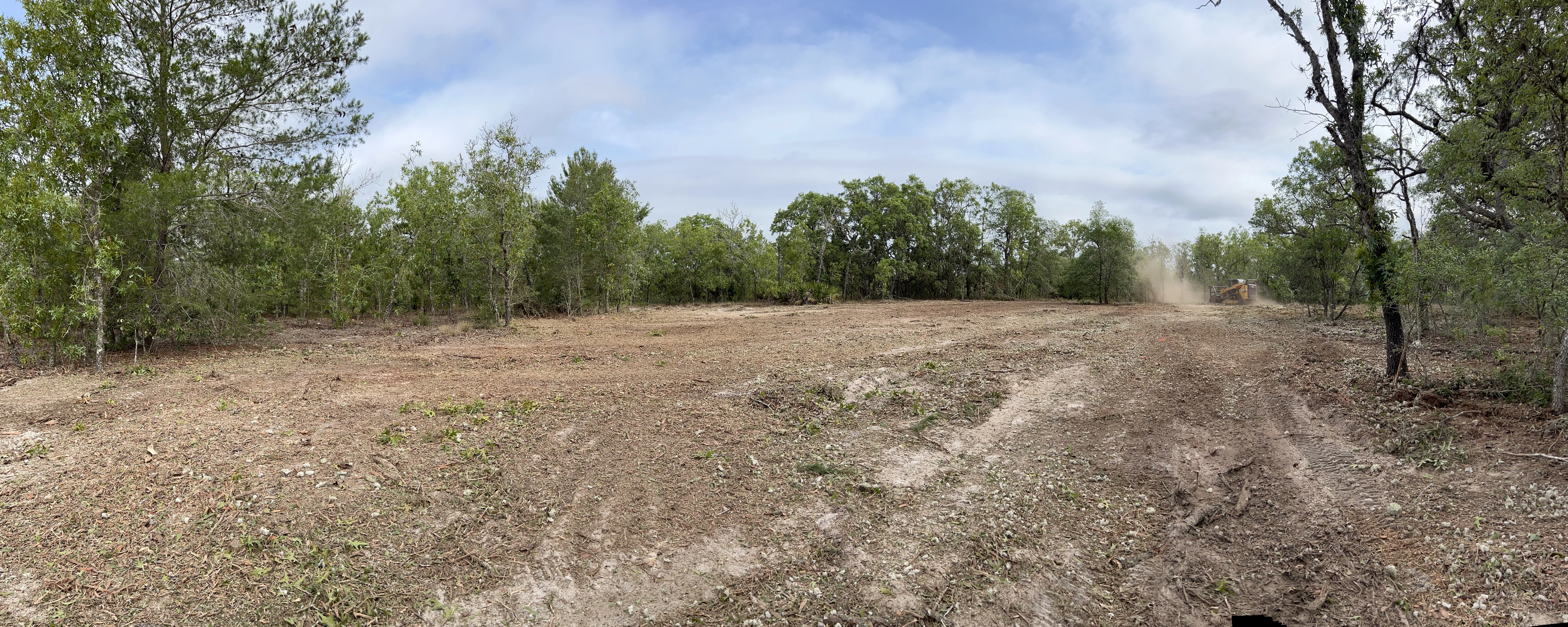
Mechanical removal of invasive species using forestry mulching as the first step in integrated management. Chinese privet, Japanese honeysuckle, Chinese tallow, cogongrass, and Brazilian pepper — eliminated in a single pass.

4.8 on Google (97 reviews)
500+ Projects
Invasive Species Management project in progress

How Invasive Species Management Works

Chinese privet alone has invaded 3.2 million acres of southeastern forest — 14 times more than kudzu. Invasive species don't just look bad; they fundamentally alter forest structure, displace native vegetation, and destroy wildlife habitat. TreeShop's forestry mulching provides the mechanical removal component of integrated invasive species management. Our CAT track loaders with mulcher heads eliminate dense stands of privet, honeysuckle, tallow, and other woody invaders in a single pass, grinding everything to mulch on-site. In Florida, we commonly target Brazilian pepper, melaleuca, and Australian pine — all of which respond well to mechanical treatment. For most invasive species, mechanical removal is the essential first step, followed by targeted herbicide application on regrowth and eventually prescribed fire to maintain results.

We provide a free on-site estimate to confirm acreage and scope before any equipment rolls. No surprises, no hidden costs.

Ideal For

  • Properties overrun with Chinese privet or tallow tree
  • Brazilian pepper and melaleuca removal in Florida
  • Cogongrass management through mulching and herbicide
  • Restoring native understory after invasive removal
  • Large-scale invasive treatment for timber and wildlife management

Our Process

01

Free Estimate

We walk your property in person — evaluating terrain, vegetation density, and equipment access to deliver an accurate quote.

02

MSA Agreement

Clear scope, timeline, and expectations documented in our Master Service Agreement before any equipment rolls. No surprises.

03

Production

CAT large-frame track loader with forestry mulcher head mobilizes to your site. Most residential lots are completed in a single day.

04

Final Walkthrough

Owner Jeremiah Anderson walks the finished project with you to confirm every detail meets expectations before we close out.

Equipment

TreeShop deploys CAT large-frame track loaders equipped with high-flow hydraulics and purpose-built forestry mulcher heads including Fecon and Diamond attachments. This isn't a skid steer with a brush cutter bolted on — it's production-grade iron designed specifically for forestry mulching work.

Large-frame CTLs provide low ground pressure (critical for Florida's soft soils), serious pushing power for dense vegetation, and the hydraulic capacity to drive mulcher heads at full RPM through 8-inch hardwood. The result: faster clearing, finer mulch, and cleaner results than undersized equipment.

Frequently Asked Questions

Will mulching invasive species prevent them from coming back?
Mulching alone won't prevent regrowth — most invasive species resprout aggressively from root systems. However, mulching eliminates the above-ground biomass and seed production immediately. Follow-up herbicide treatment on regrowth (typically 3-6 months after mulching) is far more effective than trying to spray through dense mature stands.
What invasive species can you mulch?
Any woody or semi-woody invasive species up to about 8 inches in diameter: Chinese privet, Japanese honeysuckle, Chinese tallow (popcorn tree), Brazilian pepper, melaleuca, Australian pine, glossy buckthorn, and more. For herbaceous invaders like cogongrass, we mulch and then coordinate herbicide follow-up.
How is mechanical removal better than herbicide alone?
Spraying dense, mature invasive stands requires enormous amounts of herbicide, kills non-target species, and still leaves dead standing stems. Mechanical removal eliminates everything in one pass, creates clean ground conditions, and makes follow-up herbicide treatment far more targeted and effective.
Is invasive species management eligible for cost-share?
Yes. Brush management (NRCS Code 314) covers invasive woody species removal. Many states also have specific invasive species management programs. Your local NRCS or forestry commission office can advise on current funding availability.
How much does invasive species removal cost per acre?
Cost depends on species density, stem diameter, and terrain. Light to moderate infestations typically align with our standard forestry mulching rate. Extremely dense stands (impenetrable privet thickets, for example) may take longer and cost more. We provide free on-site estimates.
Should I do invasive removal before or after a prescribed burn?
Before. Dense invasive vegetation creates unpredictable fire behavior and won't burn cleanly. Mechanical removal first, then let the site settle for a season, then burn. The fire helps suppress regrowth and stimulates native seed germination.

Invasive Species Management

Free on-site estimate for properties across Central Florida. 500+ projects completed.

Get Free Estimate Call (386) 843-5266

4.8 out of 5 from 97 Google Reviews

500+ Projects Completed
Fully Licensed & Insured
Owner-Operated
CAT Equipment

Coverage

Invasive Species Management Across 32 Counties

Click any county for local terrain info and project details.

Get a Free Invasive Species Management Estimate

Fill out the form and we'll respond within 24 hours with a detailed estimate for your property. No pressure, no surprises.

(386) 843-5266

Call or text anytime

office@treeshop.app

Email us directly

New Smyrna Beach, FL 32168

Serving 32 counties across Central FL

Request a Free Estimate

Invasive Species Management · Per Project

Call Free Estimate