Protecting your property and your neighbors by managing hazardous fuels

Fuel Load Reduction

Day Rate

Mechanical removal of hazardous fuel loads — dense midstory vegetation, deadwood, and brush that create dangerous wildfire conditions. Reduces fire risk, creates defensible space, and prepares your property for safe prescribed burning.

4.8 on Google (97 reviews)
500+ Projects
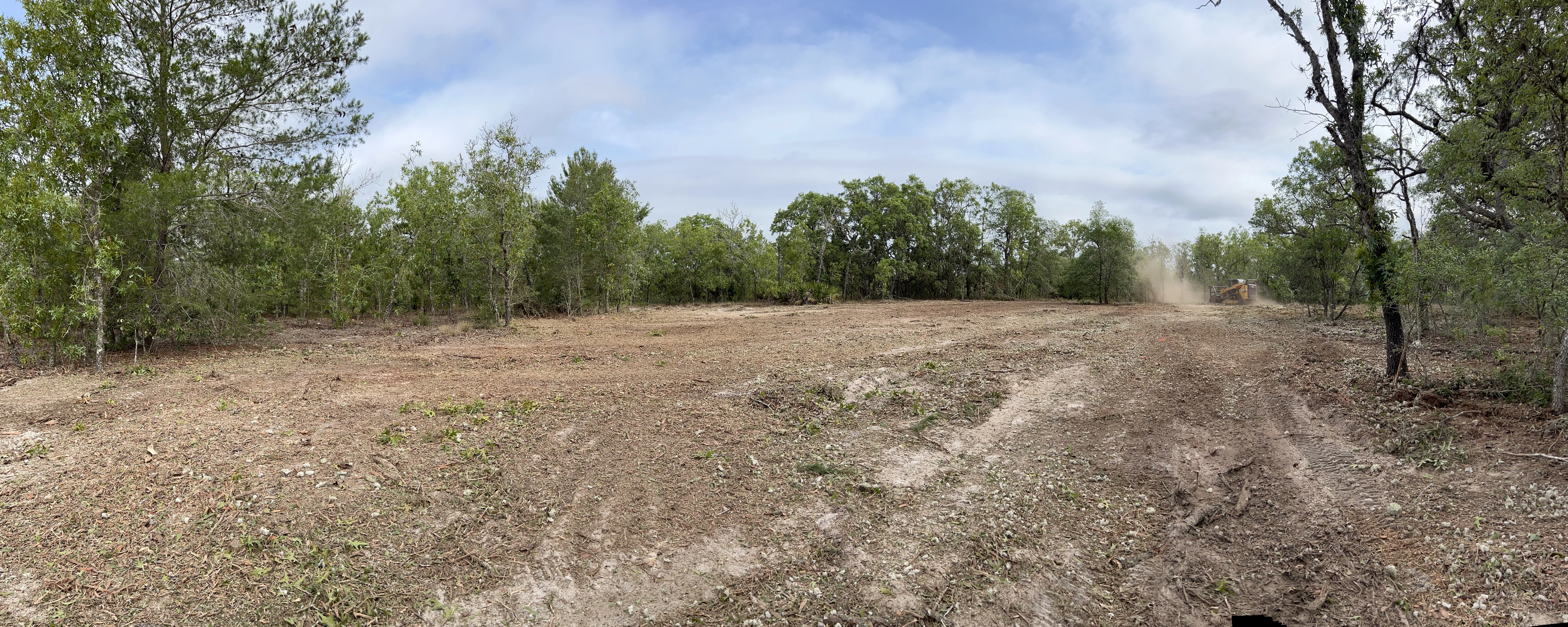
Fuel Load Reduction project in progress

How Fuel Load Reduction Works

Dense midstory vegetation creates dangerous fuel ladders that carry ground fires into the canopy, turning manageable prescribed burns into destructive crown fires — and turning wildfire embers into full-blown property threats. Mechanical fuel reduction is often required before any burning program can begin safely. TreeShop's fuel load reduction service uses CAT track loaders with forestry mulcher heads to mechanically remove hazardous fuels: dense brush, small-diameter trees, deadwood, and accumulated undergrowth. The mulched material stays on the ground as a thin layer that decomposes quickly, rather than piling up as additional fuel. This work creates defensible space around structures, prepares properties for prescribed fire programs, and significantly reduces wildfire risk for you and your neighbors. EQIP-eligible under Practice Codes 383 (Fuel Break) and 314 (Brush Management).

We provide a free on-site estimate to confirm acreage and scope before any equipment rolls. No surprises, no hidden costs.

Ideal For

  • Creating defensible space around homes and structures
  • Reducing wildfire risk on rural and WUI properties
  • Pre-burn fuel reduction for prescribed fire programs
  • Fuel break and fuel load management (NRCS Code 383)
  • Community-wide wildfire mitigation projects

Our Process

01

Free Estimate

We walk your property in person — evaluating terrain, vegetation density, and equipment access to deliver an accurate quote.

02

MSA Agreement

Clear scope, timeline, and expectations documented in our Master Service Agreement before any equipment rolls. No surprises.

03

Production

CAT large-frame track loader with forestry mulcher head mobilizes to your site. Most residential lots are completed in a single day.

04

Final Walkthrough

Owner Jeremiah Anderson walks the finished project with you to confirm every detail meets expectations before we close out.

Equipment

TreeShop deploys CAT large-frame track loaders equipped with high-flow hydraulics and purpose-built forestry mulcher heads including Fecon and Diamond attachments. This isn't a skid steer with a brush cutter bolted on — it's production-grade iron designed specifically for forestry mulching work.

Large-frame CTLs provide low ground pressure (critical for Florida's soft soils), serious pushing power for dense vegetation, and the hydraulic capacity to drive mulcher heads at full RPM through 8-inch hardwood. The result: faster clearing, finer mulch, and cleaner results than undersized equipment.

Frequently Asked Questions

What's the difference between fuel reduction and land clearing?
Fuel reduction is selective — targeting hazardous vegetation (ladder fuels, dense brush, deadwood) while preserving desirable trees and forest structure. Land clearing removes everything. Fuel reduction maintains a functioning forest that's simply safer and healthier.
How does fuel reduction protect against wildfire?
By eliminating ladder fuels — the dense midstory vegetation that carries fire from the ground into the tree canopy. Without these fuels, fires stay on the ground where they're manageable. A ground fire in a well-managed forest typically won't damage large trees or threaten structures.
How wide should a fuel break be?
It depends on adjacent fuel loading and terrain. Minimum effective fuel breaks are typically 30-60 feet wide around structures. For large-scale fuel breaks between management units, 20-30 feet is common. We assess your specific conditions and recommend appropriate widths.
Is fuel reduction eligible for cost-share programs?
Yes. NRCS Code 383 (Fuel Break) and Code 314 (Brush Management) are EQIP-eligible. Some states and counties also have wildfire mitigation programs that fund fuel reduction work, especially in wildland-urban interface areas.
How often does fuel reduction need to be repeated?
The initial mechanical treatment typically lasts 3-5 years before regrowth closes back in. If you follow up with prescribed fire every 2-3 years, you can maintain low fuel conditions indefinitely with minimal additional mechanical work.
Can you do fuel reduction in a neighborhood or community?
Yes. We regularly work on rural subdivision common areas, community buffers, and multi-parcel fuel reduction projects. Our equipment can access most residential and semi-rural properties. HOAs and community associations often coordinate group projects.

Fuel Load Reduction

Free on-site estimate for properties across Central Florida. 500+ projects completed.

Get Free Estimate Call (386) 843-5266

4.8 out of 5 from 97 Google Reviews

500+ Projects Completed
Fully Licensed & Insured
Owner-Operated
CAT Equipment

Coverage

Fuel Load Reduction Across 32 Counties

Click any county for local terrain info and project details.

Get a Free Fuel Load Reduction Estimate

Fill out the form and we'll respond within 24 hours with a detailed estimate for your property. No pressure, no surprises.

(386) 843-5266

Call or text anytime

office@treeshop.app

Email us directly

New Smyrna Beach, FL 32168

Serving 32 counties across Central FL

Request a Free Estimate

Fuel Load Reduction · Day Rate

Call Free Estimate